
Introdução
Conhecidos pela alta qualidade e durabilidade, os cardans Spicer equipam os principais caminhões e ônibus do Brasil e milhões de veículos em todo o mundo.
-
-
Com quatro passos, você realiza um serviço com toda a qualidade original Spicer: 1 - Identifique 2 - Lubrifique 3 - Avalie 4 - Troque
-
Respeite os intervalos de lubrificação: se o cardan ficar imerso em água ou lama (ao enfrentar enchentes, atravessar riachos, trabalhar em arrozais, entre outras situações parecidas), o ideal é refazer a lubrificação.
-
Use a Graxa Certa: A maior causa de problemas em cruzetas e juntas deslizantes é a aplicação de graxas erradas. Não tente economizar usando outro tipo de graxa. O prejuízo com o cardan será bem maior.
-
Limpeza é Fundamental: Antes de iniciar a lubrificação, é preciso: 1 - Limpar e avaliar o estado de conservação das graxeiras de cada cruzeta. 2 - Conferir se a engraxadeira não tem restos de graxa velha ou de outro tipo de graxa. 3 - Em sistemas pneumáticos, verificar se o ar não está contaminado com água ou óleo.
-
-
-
Procure as Causas: antes de fazer qualquer manutenção no cardan, o mecânico deve ouvir quem dirige o veículo. Queixas de vibrações ou ruídos, como o famoso “som de sino”, geralmente indicam problemas.
-
A seguir, inspecione todo o conjunto do eixo cardan, do câmbio ao diferencial.
-
Procure por trincas, amassados ou perdas dos pesos de balanceamento soldados nos tubos.
-
Preste atenção em ruídos, folgas ou quebras nos mancais.
-
Veja se existem folgas ou trincas nas juntas universais.
-
Veja se existem cruzetas com capas espelhadas, problemas de fixação, falta de aperto ou outros defeitos.
-
Procure por folgas na junta deslizante.
-
Existem adaptações ou consertos mal feitos? Eles podem alterar o funcionamento do cardan.
-
-
-
Marque as Peças. Se for preciso retirar o cardan do veículo, o ideal é marcar a posição de todas as peças. Use um marcador industrial (ou tinta e pincel) para fazer as marcas antes da desmontagem.
-
Você notará que algumas peças, como a junta deslizante, até trazem marcas gravadas.
-
O posicionamento correto é fundamental. Se houver erro, o cardan quebrará ao menor esforço.
-
Trabalhe Correto: Após marcar a posição das peças, separe as ferramentas necessárias e inicie a desmontagem.
-
Muitos veículos usam parafusos tipo torx. Não tente retirá-los usando soquetes sextavados. Como são peças grandes e pesadas, prefira trabalhar em dupla. Se for preciso, use uma talha.
-
No transporte, tenha cuidado para não bater o cardan ou deixar que alguma peça caia no chão.
-
Limpeza e Organização: antes de iniciar o reparo no cardan, é preciso limpar todas as peças e a área de trabalho. Também é muito importante ter as ferramentas certas à mão, limpas e organizadas.
-
Não Faça Misturas: a qualidade da manutenção começa na escolha e compra das peças. Nunca misture produtos de marcas diferentes na junta universal ou na junta deslizante. Cada fabricante trabalha de uma forma e o resultado dessa “mistura” nunca acaba bem. Os componentes não encaixam direito ou ficam com folgas diferentes das indicadas.
-
-
-
Com a cruzeta fora do cardan, analise a peça. Alguns defeitos deixam dicas importantes:
-
Cruzetas com as espigas queimadas sofreram com a falta de graxa ou a graxa errada.
-
Espigas marcadas ou trincadas podem indicar empenamentos ou excesso de torque.
-
Marcas no topo da espiga costumam ser provocadas por adaptações ou empenamentos.
-
Ao notar qualquer um desses problemas ou outros desgastes anormais (como peças desalinhadas ou furos ovalizados), informe o dono do veículo e solucione a falha antes de montar a cruzeta nova.
-
Feita a análise, jogue fora (reciclagem, não esqueça) a cruzeta velha, parafusos, roletes, capas, anéis. Nada deve ser reutilizado. A cruzeta Spicer vem completa, com graxeira e anéis-trava novos.
-
Analise também, com o uso de gabaritos, o alihamento dos olhais. Um componente desalinhado vai causar problemas nas cruzetas e no próprio cardan.
-
-
-
Antes de entregar o veículo ao cliente, é sempre bom fazer um teste de rodagem.
-
Se notar vibrações no cardan, retire a cruzeta e a remonte girando 180 graus (meia volta).
-
Também será preciso lubrificar novamente, para repor a graxa perdida na desmontagem.
-
-
-
Se o cardan seguir vibrando, a única solução será refazer o seu balanceamento. Muitas empresas dizem que fazem esse serviço, mas é bom ficar atento.
-
Para balancear um cardan da forma correta, é preciso ter uma máquina balanceadora.
-
Outras soluções, como o uso de torno e calor, não resolvem e podem até condenar a peça.
-



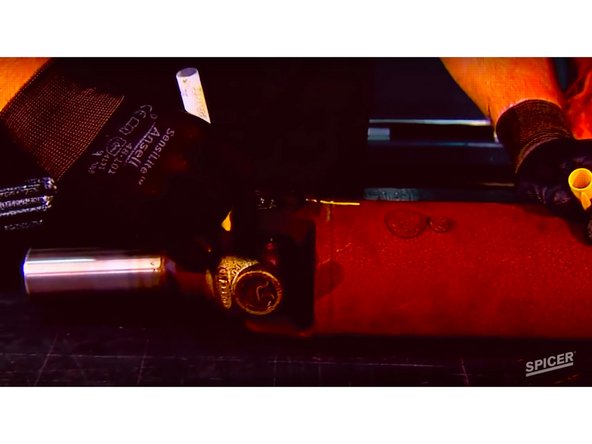
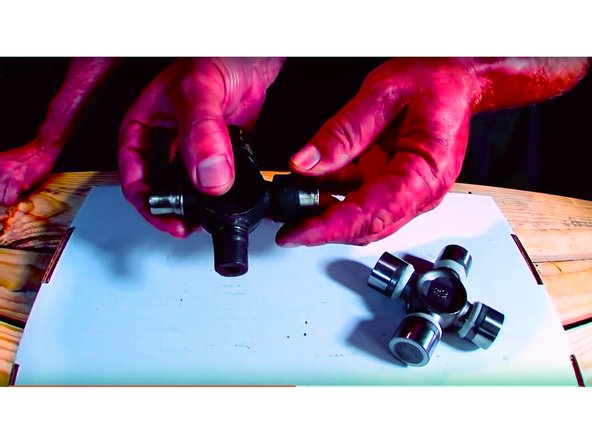


Siga os passos de troca específicos para cada série de cruzeta e depois confira também as instruções de lubrificação para a série (SPL ou Série 10)
Siga os passos de troca específicos para cada série de cruzeta e depois confira também as instruções de lubrificação para a série (SPL ou Série 10)
